How to Wash Your Car at Home Without Causing Swirls (Pressure Washer Method)
Learn how to safely wash your car at home using a pressure washer, foam cannon, and the two bucket method to avoid swirl marks and paint damage.
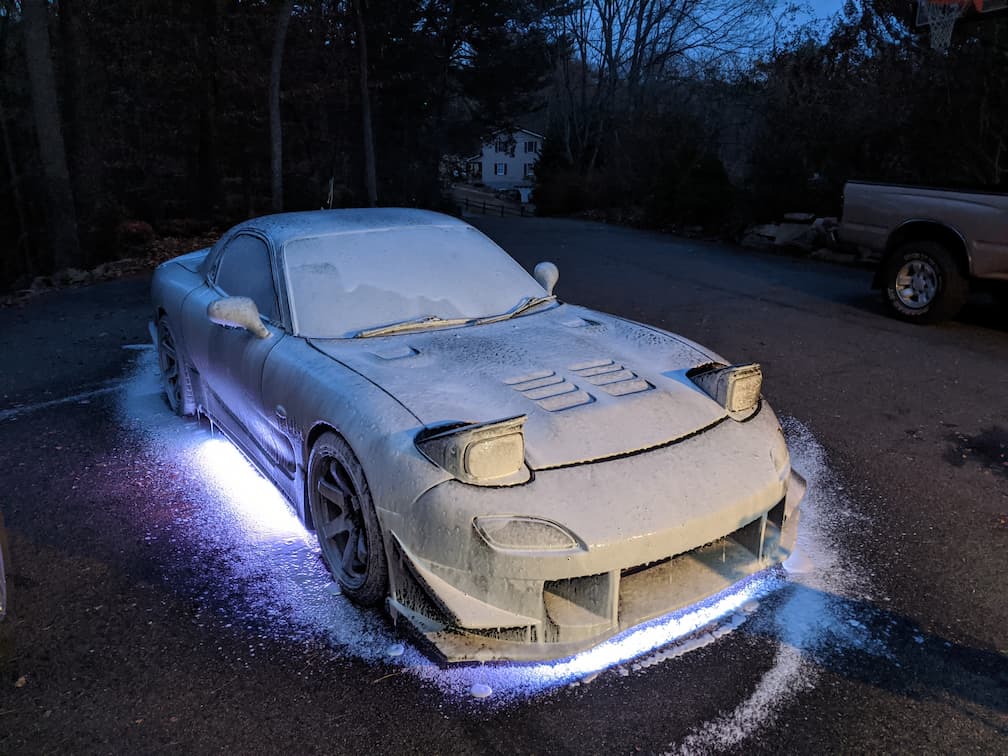
Most swirl marks don’t come from driving. They come from washing.
The good news is you can wash your car at home without damaging the paint—if you follow the right process. This method uses a pressure washer, foam cannon, and the two bucket system to safely remove dirt before it ever touches your paint.
What You’ll Need
- Pressure washer
- Foam cannon
- pH-neutral car shampoo
- Two buckets (with grit guards if possible)
- Wheel cleaner and wheel brushes
- Wash mitt (microfiber or lambswool)
- Large microfiber drying towels
Step 1: Wheels and Wheel Wells First
Always start with the dirtiest part of the car.
Spray your wheels and wheel wells with a dedicated wheel cleaner and let it dwell. Agitate with appropriate brushes, then rinse thoroughly. This prevents brake dust and grime from splashing onto freshly washed paint later.
Step 2: Initial Rinse
Rinse the entire vehicle top to bottom using your pressure washer. The goal here is simple: knock off as much loose dirt and debris as possible before touching the paint.
Less dirt on the surface means fewer scratches later.
Step 3: Foam the Car
Apply a thick layer of foam using your foam cannon. Let it dwell for a few minutes but don’t let it dry. The foam helps encapsulate dirt and lift it away from the surface.
Then rinse thoroughly.
Step 4: Foam Again
Yes, again. This second foam application ensures maximum lubrication for your hand wash. You want the paint as slick as possible before making contact.
Step 5: Two Bucket Hand Wash
Fill one bucket with clean water and one with soapy water.
- Dip your wash mitt into the soap bucket
- Wash one panel at a time, starting from the top
- Rinse the mitt in the clean water bucket before reloading soap
This prevents dirt from being dragged back across the paint.
Never wash in circles. Use straight-line motions only.
Step 6: Final Rinse
Rinse the entire vehicle thoroughly, ensuring no soap residue is left behind.
Step 7: Dry with Large Microfiber Towels
Drying is just as important as washing.
Use large, high-quality microfiber drying towels and gently blot or drag them across the surface. Avoid cheap towels or old bath towels—they will scratch paint.
The Result?
A clean car with minimal risk of swirl marks and a finish that stays glossy longer.
If this process sounds like a lot of work, that’s because it is. When you’re ready for a professional wash or want to take things further with paint correction, get in touch for a quote and let us handle it properly.